September 24, 2026
Selecting the right material for high-traffic zones within a home or commercial building is one of the most critical decisions during a renovation. Main entryways, hallways, living rooms, and busy office corridors endure continuous foot traffic, everyday dirt, pet activity, and heavy furniture movement. Choosing a material that lacks sufficient durability leads to premature wear, unsightly staining, and costly early replacement. Careful site planning ensures that your new installation withstands these rigorous daily demands.
When planning a renovation, property owners must weigh visual appeal against practical performance. A dedicated flooring service provides access to professional-grade materials and structural guidance tailored to specific architectural layouts. Evaluating the daily demands of your environment helps narrow the choice between carpet and laminate, ensuring the finished installation remains resilient and visually pleasing over time.
Evaluating the Structural Advantages of Modern Laminate
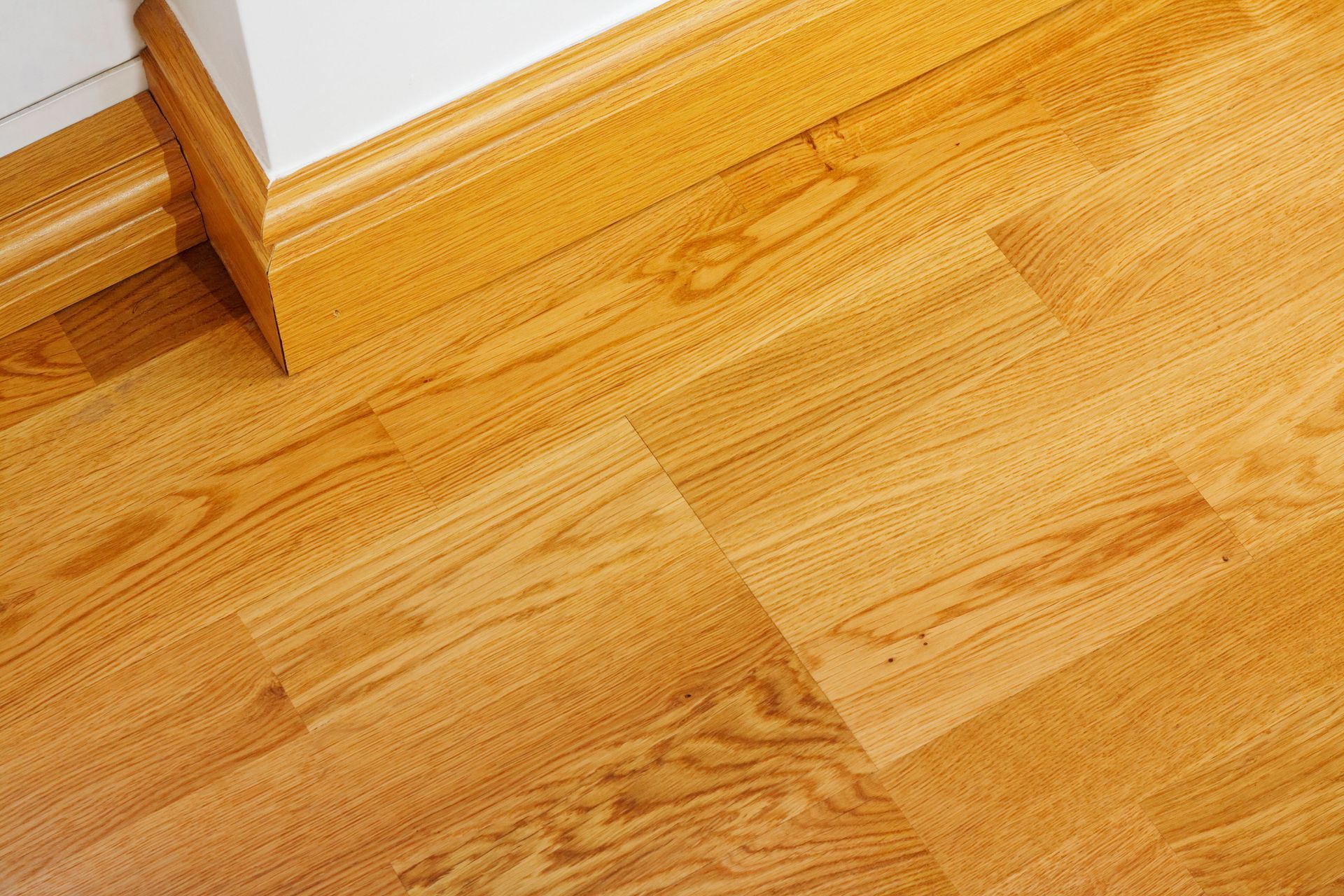
Laminate has grown into a dominant choice for areas that experience heavy foot traffic due to its exceptional surface strength and wear resistance. Constructed with a high-density fiberboard core topped by a high-resolution photographic layer and a clear protective wear layer, modern laminate replicates natural wood or tile while resisting scratches, scuffs, and impacts. This hard surface allows heavy household activity to pass over without leaving permanent indentations.
Maintenance for laminate surfaces is straightforward, requiring basic sweeping and occasional damp mopping to remove surface dust and dirt. Premium laminate options feature water-resistant core technologies and tight interlocking joinery, making them suitable for entryways where wet shoes and umbrellas are frequently dropped. These tight seams prevent moisture from seeping into the core board during rainy seasons. Engaging an experienced flooring service ensures that the subfloor is properly leveled and underlayment is installed correctly, preventing surface deflection and noise transmission in busy hallways.
Analyzing the Comfort and Acoustic Power of Carpet
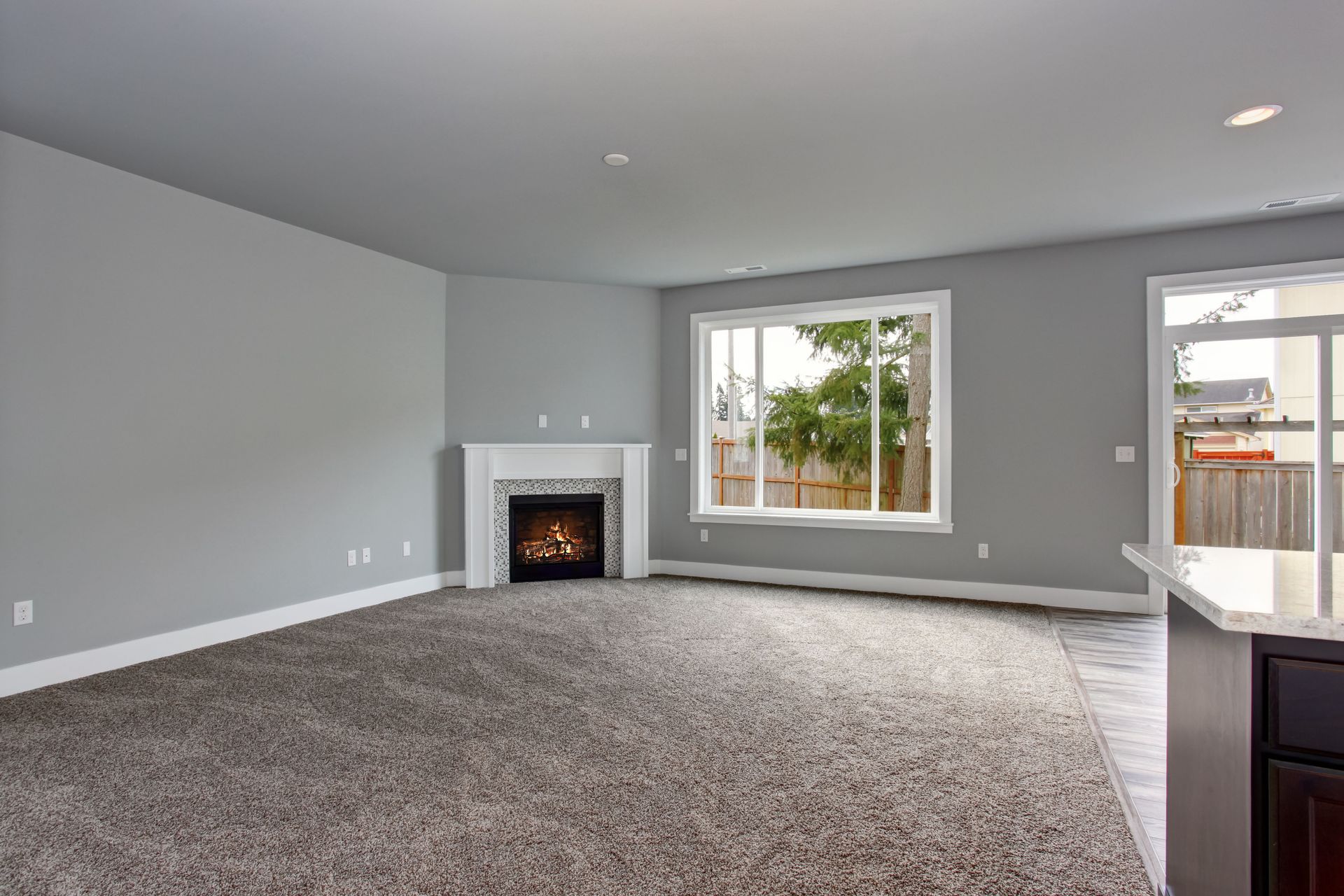
While hard surfaces dominate modern design trends, broadloom carpet and carpet tiles offer functional benefits that hard materials cannot replicate. Carpet provides exceptional underfoot cushioning, thermal insulation, and superior sound absorption. In multi-level homes or active commercial environments, carpet significantly dampens footstep noise and acoustic echo, creating a quieter and more relaxing interior atmosphere.
Advances in fiber technology have dramatically improved the resilience of soft surfaces in demanding spaces. Modern nylon and solution-dyed triexta fibers feature built-in stain resistance and tight, high-density pile constructions that bounce back after compression. These advanced fibers prevent premature matting in narrow, heavily traveled hallways. According to industry projections from Custom Market Insights, the US carpets and rugs market is expected to expand at a compound annual growth rate of 5.65% between 2025 and 2034. This steady market expansion reflects ongoing innovation in durable, easy-to-clean textile options designed specifically for active modern spaces.
Comparing Durability and Maintenance Requirements
When comparing carpet and laminate for high-traffic environments, routine maintenance protocols and long-term durability diverge significantly. Laminate offers superior resistance to liquid spills, pet accidents, and sharp claws. Dirt and mud sit on top of the wear layer, allowing for immediate cleanup without deep absorption into the underlying material. However, if a laminate board suffers serious structural damage or water penetration, individual planks must be unclicked or replaced.
Carpet requires more frequent maintenance to manage dust, soil, and potential allergens in high-use areas. Regular vacuuming with a high-efficiency particulate air filter and periodic professional deep cleaning are required to keep fibers upright and free of abrasive grit that wears down yarn over time. Establishing a strict cleaning schedule extends the overall lifespan of textile floor coverings. In commercial or ultra-busy residential zones, modular carpet tiles offer a practical compromise; damaged or stained squares can be individually removed and replaced without disturbing the surrounding floor. Consulting a professional flooring service helps determine whether a hard surface or a high-density textile best matches your routine cleaning capacity.
Assessing Moisture Resistance and Environmental Vulnerabilities
High-traffic areas frequently border exterior doors, kitchens, and bathrooms, exposing the floor to moisture, mud, and seasonal climate changes. Standard laminate materials are susceptible to edge swelling and buckling if standing water penetrates the seams between planks. Homeowners choosing laminate for entryways should select water-resistant or waterproof lines and ensure that edge expansion gaps are properly sealed during installation.
Carpet handles dry debris exceptionally well, but liquid spills in busy zones require immediate attention to prevent liquid from soaking into the underlying pad. Moisture trapped beneath a carpet backing can foster mold growth or persistent odors if left unaddressed. Prompt extraction of standing liquids protects the subfloor from unseen moisture damage. In mudrooms or entry zones with direct exterior access, low-pile, weather-resistant carpet or commercial-grade walk-off mats protect interior floors from moisture tracking. A qualified flooring service can evaluate perimeter moisture risks and recommend appropriate underlayment barriers for either material option.
Balancing Aesthetic Appeal and Overall Property Value
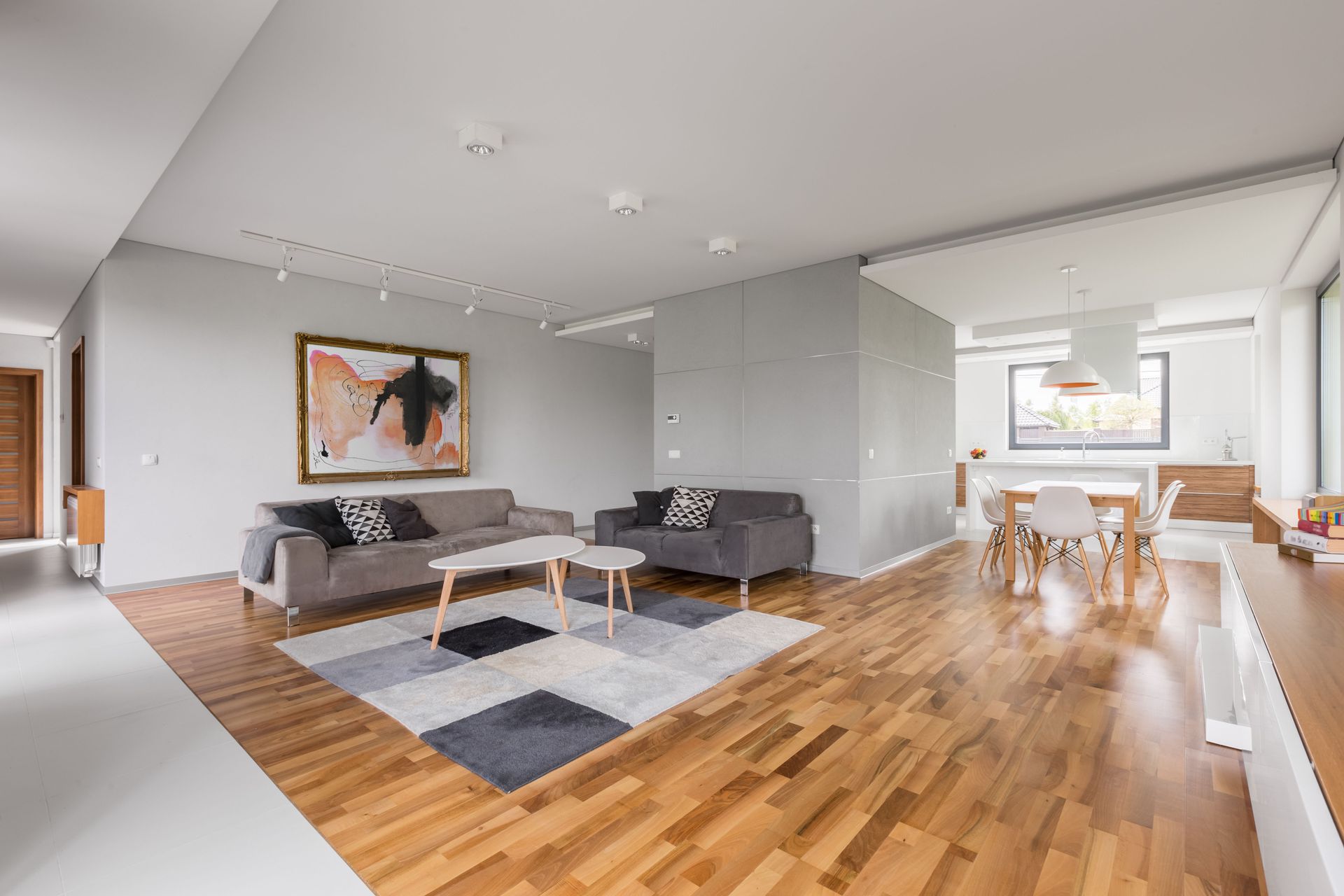
The aesthetic direction of a space influences whether carpet or laminate feels like the natural choice. Laminate delivers a sleek, continuous hard-surface aesthetic that unifies open-concept floor plans and creates the visual warmth of natural hardwood. Its clean lines and variety of plank widths complement modern, rustic, and traditional interior architecture, often appealing to prospective buyers seeking low-maintenance finishes.
Carpet offers rich texture, depth, and color variety, allowing homeowners to introduce soft contrast into large living spaces or cozy master suites. Intricate loop patterns and cut-pile constructions create visual interest while hiding light surface soil between vacuuming sessions. Incorporating carpet in select high-traffic rooms adds warmth and security against slips, making it a favorite for homes with young children or elderly residents. Working alongside an established flooring service allows property owners to blend hard and soft materials harmoniously across adjacent rooms.
Examining Long-Term Cost Efficiency and Life-Cycle Value
Financial considerations extend beyond the initial material purchase price to encompass installation labor, maintenance expenses, and expected operational lifespan. Quality laminate generally carries a mid-range material cost with efficient installation processes. Its resistance to daily wear translates to a long service life in busy spaces, providing an excellent return on investment through minimal repair requirements.
Carpet options span a wide price spectrum, from budget-friendly synthetic options to luxury wool blends. While lower-grade carpets may mat down quickly in main hallways, high-density commercial-grade carpets and premium nylon options withstand years of heavy foot traffic when maintained correctly. Factoring in routine deep-cleaning costs alongside the initial installation quote gives a complete picture of total ownership expenses. Partnering with a trusted flooring service guarantees transparent pricing and expert material recommendations tailored to your long-term budget.
Making a Confident Selection for Your Property
Determining whether carpet or laminate is the best fit for your high-traffic zones comes down to prioritizing your primary functional needs. If your priority is effortless spill cleanup, scratch resistance, and a modern hard-surface appearance, water-resistant laminate is an outstanding choice. If your goals prioritize sound dampening, underfoot warmth, slip safety, and acoustic comfort, high-density patterned carpet delivers unmatched performance.
Carefully analyzing foot traffic patterns, environmental moisture exposure, cleaning preferences, and design goals prepares you to select a surface that will thrive under daily use. Professional guidance ensures that subfloor preparation, underlayment choice, and final installation adhere to strict industry standards. Hiring a reliable
flooring service provides the expertise needed to transform your busy residential or commercial spaces into durable, beautiful environments that stand up to years of continuous activity. Contact Creative Spaces today to schedule your personalized consultation and discover the ideal flooring solution for your property.